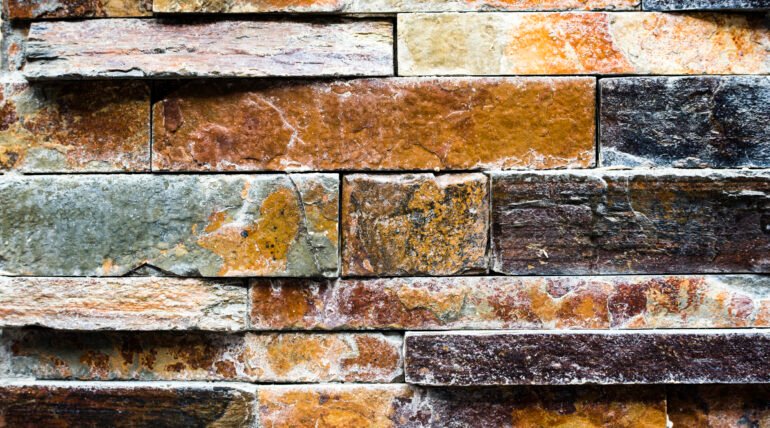
Ventilated stone cladding brings the character of natural stone to a building while giving the façade room to breathe. In Dubai, however, the stone itself is under constant pressure from intense sun, high surface temperatures, coastal humidity and windblown sand. A beautiful sample in a showroom does not guarantee a façade that still looks good fifteen years later.
Choosing the right stone is the first and most important decision in any ventilated stone cladding in Dubai project. This guide covers the main stone types, the properties that matter and the questions to ask before you approve a selection.
Why Stone Selection Matters More on a Ventilated Façade
In a ventilated system, the stone is hung on a metal subframe with an air cavity behind it. Each panel carries its own weight to its anchors and must resist wind pressure and suction without cracking. Unlike stone adhered to a wall, it has no backing to lean on. Strength, consistency and durability therefore matter just as much as colour and pattern.
Common Stones Used on Dubai Façades
Granite
Granite is hard, dense and has low water absorption, giving it excellent weather resistance. It is a strong choice for high-rise buildings and busy ground-floor areas. Flamed or honed finishes reduce glare and suit the bright UAE light.
Limestone
Limestone is popular for its warm, light tones and timeless appearance. Its quality varies widely, though. Dense limestones perform well outdoors, while softer varieties absorb water and stain more easily, so testing is essential.
Marble
Marble offers unmatched luxury, but some varieties can bow or lose their surface polish under repeated heating and cooling. On exterior façades it is best chosen with documented evidence of outdoor performance or reserved for sheltered areas.
Travertine and Quartzite
Travertine has a distinctive texture, but its natural voids should be filled and only dense, exterior-grade material should be used. Quartzite is extremely hard and durable, making it a reliable alternative where a natural look with high performance is required.
Properties to Check Before Approving a Stone
- Flexural strength: determines how thick each panel must be and how far apart the anchors can be placed.
- Water absorption: lower values generally mean better resistance to staining and weathering.
- Thermal stability: the stone’s resistance to bowing and cracking under repeated temperature cycles.
- Consistency: blocks from the same quarry can vary, and consistent material makes engineering more reliable.
- Anchor capacity: how well the stone holds its fixing, confirmed through pull-out testing.
Ask the supplier for recent test certificates and, on larger projects, commission independent testing on samples from the actual production batch rather than relying on generic data.
Thickness and Panel Size
Stronger stones allow thinner or larger panels, while weaker stones need more thickness or smaller formats. Natural stone cladding panels are typically much thicker than porcelain, and the final dimension should always come from structural calculation rather than appearance alone.
Matching the Stone to the Fixing System
Stone choice and fixing method go hand in hand. An undercut anchor system is often preferred for natural stone because it fixes from the back and keeps the panel edges intact, as explained in why undercut anchor systems are ideal for natural stone cladding. Kerf fixing can also suit dense, strong stones. Your façade engineer should confirm the combination before procurement begins.
Finish, Colour and the UAE Climate
Lighter colours reflect more heat and show less fading, while very dark stones become much hotter in direct sun, increasing thermal movement. Honed, flamed or textured finishes hide dust and weathering more gracefully than high polish. On more porous stones, a breathable sealer can help reduce staining, provided it does not trap moisture inside the panel.
The air cavity behind the stone adds a further benefit by reducing heat transfer into the building, as covered in our guide to the key benefits of ventilated façade systems for energy efficiency in UAE buildings.
Work With a Specialist From the Start
Involving a specialized façade tile and stone contractor at the selection stage helps align stone, thickness, anchors and subframe before anything is ordered, avoiding costly redesigns later. As demand for ventilated façade systems grows across UAE construction, getting the specification right the first time is a genuine advantage.
Final Thoughts
The best stone for a Dubai façade balances beauty with proven strength, low absorption and thermal stability, matched to the right thickness and fixing system. Make those choices on evidence, not samples alone, and your ventilated stone façade will age gracefully.
To discuss stone selection and fixing for your next project, explore our façade tile and stone fixing services or get in touch with Fix and Fine Gulf.
Frequently Asked Questions
1. What is the best stone for ventilated stone cladding in Dubai?
Granite is often considered the most reliable stone for ventilated cladding in Dubai because of its strength, low water absorption and resistance to heat and weathering. Dense limestone and quartzite can also perform very well when supported by proper test data.
2. Is marble suitable for exterior ventilated cladding in the UAE?
Marble can be used externally, but some varieties may bow or lose their polish under repeated heating and cooling. It should be selected with evidence of exterior performance, used in suitable thicknesses, or reserved for sheltered areas of the façade.
3. How thick should stone panels be for a ventilated façade?
Stone panel thickness depends on the stone’s flexural strength, the panel size, the fixing system and the wind load on the building. Natural stone cladding panels are usually much thicker than porcelain, and the final thickness should be confirmed by structural calculation.
4. Which fixing system is best for natural stone cladding?
An undercut anchor system is often preferred for natural stone cladding because it fixes the panel from the back and keeps the edges intact. Kerf cut fixing can also suit dense, strong stones, depending on the engineering design.
5. Does natural stone need sealing in a ventilated façade?
Dense stones such as granite may not need sealing, while more porous stones such as some limestones and travertine can benefit from a breathable sealer to reduce staining. The sealer should never trap moisture inside the stone.
We deliver high-quality tile application services with a commitment to precision and excellence. Through dedication and attention to detail, we ensure every project is completed to the highest standards.
