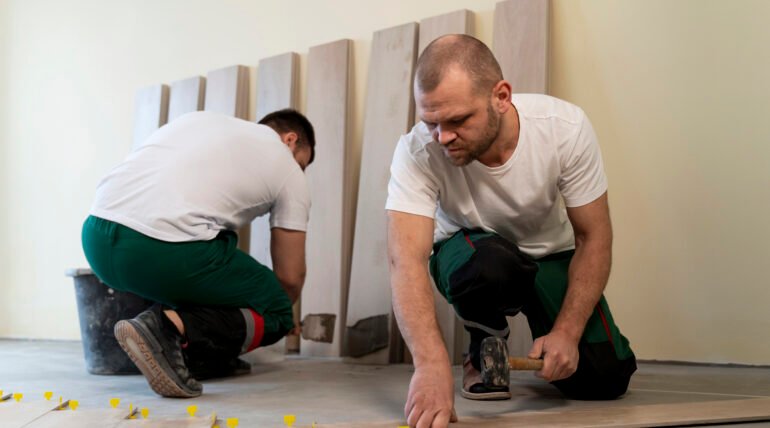
If you have worked on building exteriors in Dubai, you know the job is not simple.
The heat is intense. The buildings are tall. And the tiles are heavy.
Façade tile and stone fixing in Dubai requires more than just skill. It requires the right steps, in the right order, every single time. One small mistake can turn into a big, expensive problem later.
Here are five mistakes that happen on real job sites and what you can do to avoid them.
Mistake 1: Poor Substrate Preparation Before Façade Tile and Stone Fixing in Dubai
This is the most common mistake. And it causes the most damage.
Before any tile or stone goes on the wall, the surface behind it needs to be clean, flat, and solid. Many contractors skip this step or rush through it.
If the substrate has dust, oil, or loose material on it, nothing will bond properly. Even the best anchor system will struggle on a weak wall surface.
Always check the wall before you start. Clean it properly. Fix any cracks. Make sure it is flat and strong. A little extra time here saves a lot of rework later.
Mistake 2: Wrong Anchor Spacing
Anchors hold the tiles and stone panels to the building. If you space them incorrectly, the panels do not sit properly. Worse, they can shift or fall over time.
In Dubai, buildings face strong wind pressure and extreme heat. These conditions put real stress on mechanical fixing systems. If the anchors are too far apart, the panels flex and the fixings loosen.
Always follow the engineer’s layout plan for anchor spacing. Do not guess. Do not skip anchor points to save time. The spacing exists for a reason, and cutting corners here is a safety risk.
Mistake 3: Skipping Expansion Joints
Tiles and stone panels expand in heat and contract when it cools down. Dubai temperatures can swing a lot between day and night.
If you do not leave proper expansion joints between panels, the tiles have nowhere to move. They push against each other. Over time, this causes cracking, lifting, or complete panel failure.
Many contractors skip joints to make the facade look more seamless. That is understandable. But it creates serious problems down the line.
Leave the correct joint gap as specified in your fixing system guidelines. It is a small detail that protects the whole facade.
Mistake 4: Using the Wrong Fixing System for the Tile Type
Not every fixing system works for every tile or stone.
Heavy natural stone cladding needs a different system than large format porcelain panels. Using the wrong brackets, clips, or anchors for the material puts extra stress on the fixing points.
This is a common mistake when contractors use whatever system is available on site rather than what the material actually needs.
Always match the ventilated facade fixing system to the specific tile or stone you are installing. Check the weight, thickness, and size of the panel before you choose your fixing method.
Mistake 5: No Inspection After Installation
Once the tiles are up, many teams pack up and move on. No final check. No inspection of joints, anchors, or alignment.
This is a mistake.
A proper post-installation inspection catches problems early, before the client sees them and before weather conditions make them worse. Check every panel. Look for uneven joints, loose clips, or panels that are not sitting flat.
Building facade cladding should be checked once it is complete and again after the first weather cycle.
Avoid These Mistakes with the Right Team
Getting façade tile and stone fixing in Dubai right is about doing the basics well, every single time.
At Fix and Fine Gulf, we have 25 years of experience working on facades across the UAE. We know what goes wrong and we also know how to prevent it.
Whether it is a large commercial tower or a luxury residential project, our team uses the right system, follows the right process, and checks the work before we leave the site.
Contact Fix and Fine Gulf today and get your facade done right the first time.
Frequently Asked Questions
Q1. How often should a building facade be inspected after tile fixing is complete?
Most building experts recommend a facade inspection at least once a year. In Dubai, it is wise to inspect after the summer season when heat and wind have put maximum stress on the panels.
Q2. Can facade tiles be replaced individually if one panel gets damaged?
Yes, in most mechanical fixing systems, individual panels can be removed and replaced without disturbing the surrounding tiles. Always keep spare tiles from the original batch so replacements match the existing facade finish.
Q3. Does the UAE have specific regulations for facade tile and stone fixing on high-rise buildings?
Yes. Dubai Municipality and relevant UAE authorities have guidelines covering facade safety, material specifications, and fixing systems for buildings above certain heights. Professional facade contractors are expected to follow these standards.
We deliver high-quality tile application services with a commitment to precision and excellence. Through dedication and attention to detail, we ensure every project is completed to the highest standards.
