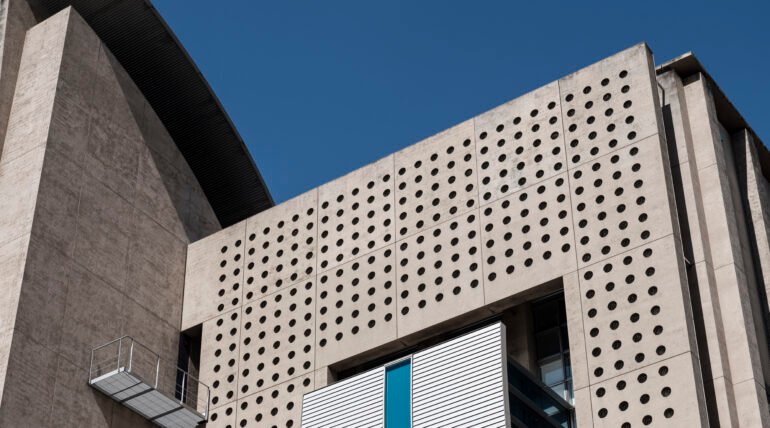
If you have ever touched an outside wall in summer, you know how hot it can get. Now imagine that heat slowly moving inside the building. The air conditioner starts working harder. Electricity bills go up. The rooms still don’t feel comfortable.
This is exactly why many modern buildings are now using ventilated façade systems for energy efficiency.
Let’s break this down in the simplest way possible.
What Are Ventilated Façade Systems?
A ventilated façade is like giving a building a second skin.
There is the main wall. Then, a little space. Then, another outer layer.
That small space between the wall and the outer layer allows air to move. And that moving air makes a big difference.
This design helps reduce heat from entering the building. That is why ventilated façade systems for energy efficiency are becoming popular in hot regions.
Think of it like standing under a shaded umbrella. The sun still shines, but you don’t feel its full heat.
How Do They Actually Save Energy?
The main goal of ventilated façade systems for energy efficiency is simple — keep the building cooler naturally.
Here’s how they do it:
1. They Block Direct Heat
When sunlight hits a building without protection, the wall absorbs heat. That heat slowly moves indoors.
With a ventilated façade, the outer layer takes most of the sunlight. The air gap in between acts like a shield. Hot air rises and escapes instead of getting trapped.
This improves the thermal performance of ventilated façades and reduces heat transfer.
Less heat inside means less cooling needed.
2. They Reduce Air-Conditioning Load
In hot cities like Middle East, cooling systems run for many hours every day.
When buildings use ventilated façade systems for energy efficiency, indoor temperatures stay more stable. The air conditioner does not need to run at full power all the time.
This leads to:
- Lower electricity bills
- Better HVAC energy savings
- Reduced overall energy use
Over time, this makes a noticeable financial difference.
3. They Improve Insulation
Many ventilated façades include insulation behind the panels.
This improves the building envelope design and supports energy-efficient building envelope solutions. In simple words, the building holds a steady temperature better.
It stays cooler in summer and does not heat up too quickly.
Good insulation plus airflow is a powerful combination.
4. They Help with Moisture Control
Heat is not the only problem buildings face. Moisture can also damage walls.
When water gets trapped inside walls, it can cause cracks, mold, and long-term structural problems.
Ventilated façades allow air to move freely. This helps with moisture control in façades. Walls stay dry and healthier.
So ventilated façade systems for energy efficiency also increase the life of the building.
Why Are They So Important in Hot Climates?
Buildings in Middle East and other parts of the UAE get a lot of direct sunlight and heat.
Without protection, walls absorb large amounts of heat. This increases cooling demand and energy bills.
That is why façade design for hot climates is so important.
Ventilated façade systems for energy efficiency support passive cooling building systems. They reduce solar heat gain naturally instead of depending only on machines.
This helps with:
- Building energy conservation methods
- Lower carbon footprint
- Sustainable building design
In short, they make buildings smarter.
Other Practical Benefits
Energy efficiency is the main reason people choose these systems. But there are other advantages too.
Better Sound Control
The extra layer and space between the two can help block out noise from outside. This makes the benefits of soundproofing even better, especially in busy places.
Modern Appearance
Ventilated façades are available in different materials like aluminum panels, stone, or composite boards. They improve the look of the building while also improving performance.
Lower Maintenance
Since the outer layer protects the main wall, the structure stays safer from weather damage. This reduces repair costs in the long run.
Why More Developers Are Choosing Ventilated Façade Systems
Today, developers and architects think about long-term savings.
They ask simple questions:
- Will this reduce energy costs?
- Will it improve comfort?
- Will it last longer?
- Will it support sustainability goals?
The answer often leads them to ventilated façade systems for energy efficiency.
It is not just about design. It is about performance and value.
Final Thoughts
Energy efficiency is no longer just a trend. It is necessary.
Buildings use a lot of energy, especially in hot regions. Reducing heat transfer, improving insulation, and supporting natural airflow are smart solutions.
Ventilated façade systems for energy efficiency provide all of this in one design.
They lower cooling demand, improve comfort, protect the structure, and support sustainable construction.
For modern buildings, such a system is not an extra feature. It is becoming a standard solution.
Frequently Asked Questions
1. What are ventilated façade systems for energy efficiency?
There is an air gap between the main wall and the outer layer in these systems. This airflow reduces heat transfer and improves insulation, helping the building save energy.
2. How do ventilated façades reduce electricity bills?
Ventilated façade systems reduce the amount of heat entering the building. This lowers the load on air conditioning systems, which reduces energy consumption and operating costs.
3. Are ventilated façade systems suitable for Middle East’s climate?
Yes. They are especially effective in hot climates like Middle East because they reduce solar heat gain and support passive cooling, improving overall building energy performance.
We deliver high-quality tile application services with a commitment to precision and excellence. Through dedication and attention to detail, we ensure every project is completed to the highest standards.
